

Exploring the cultural significance of gambling across diverse societies
Exploring the cultural significance of gambling across diverse societies
The Historical Roots of Gambling
Gambling has a long and varied history, intertwining with human civilization since ancient times. Many archaeological findings suggest that ancient cultures, including the Egyptians and Chinese, engaged in games of chance as early as 3000 BC. These practices often served not just for entertainment, but also for religious and social purposes, reflecting the beliefs and values of their societies. If you’re curious about experiencing the fun, you might want to check out Le Fisherman free play to get a feel for this thrilling adventure.
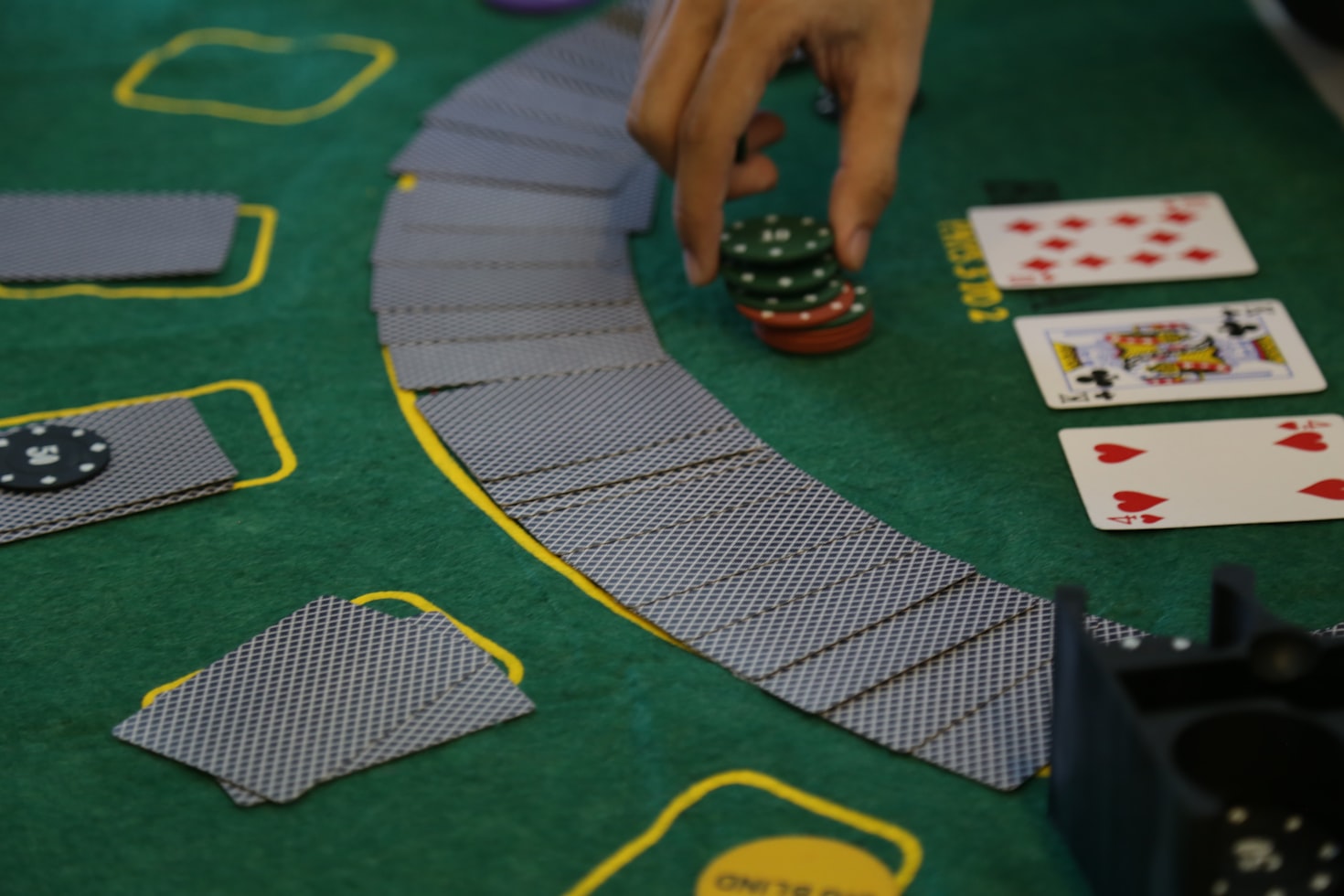
In many cultures, gambling was regarded as a means to connect with the divine or to make decisions. For instance, casting lots or using dice was often seen as a way to seek guidance from the gods. This connection between chance and fate has persisted, influencing how societies perceive gambling today.
Gambling as a Social Activity
Across diverse societies, gambling often serves as a crucial social activity, fostering community bonds and interactions. In various cultures, such as Native American tribes, traditional gambling games are central to social gatherings and celebrations. These events create a sense of belonging, allowing individuals to engage with their heritage while enjoying the thrill of competition.
The communal aspect of gambling extends to urban settings, where casinos and betting shops become venues for social interaction. Here, individuals from different backgrounds converge, sharing experiences and building relationships over games. This social dimension enhances the overall experience, making gambling a unique cultural phenomenon.
Gambling in Religion and Spirituality
In many societies, gambling is intricately linked to spiritual beliefs and practices. Some cultures view games of chance as a reflection of life’s unpredictability, believing that luck is influenced by divine forces. Rituals and ceremonies often accompany gambling activities, seeking blessings or favor from deities.
For example, in certain Asian cultures, gambling is prevalent during festivals as a means to invite prosperity and good fortune for the coming year. This blend of spirituality and gambling enriches cultural traditions, further embedding the practice within the social fabric of communities.
The Impact of Legislation on Gambling Culture
Legislation plays a significant role in shaping the gambling culture within societies. Various countries have enacted laws to regulate gambling activities, balancing the potential for economic benefit with concerns over addiction and social issues. For instance, in places where gambling is heavily regulated, it is often associated with tourism and revenue generation.
Conversely, in regions where gambling is restricted or illegal, underground gambling networks may flourish, reflecting a societal demand that laws cannot suppress. This dichotomy illustrates how cultural perceptions of gambling can vary widely, influencing not only personal choices but also societal norms.
Discovering More About Gambling Culture Online
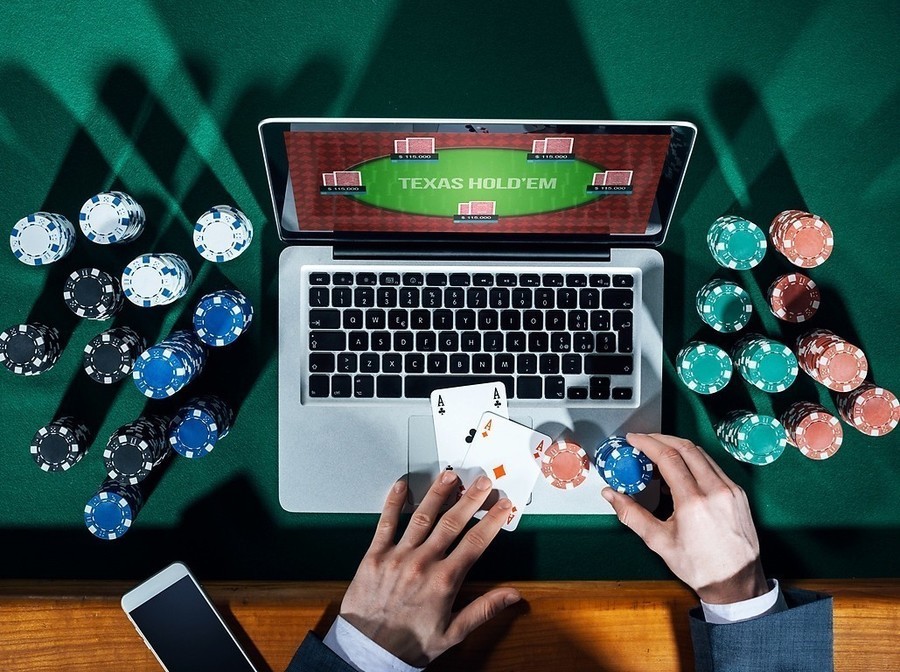
The exploration of gambling’s cultural significance is not limited to physical venues; it also extends to the digital realm. Numerous online platforms delve into the historical, social, and psychological aspects of gambling, providing insights into its impact across different cultures. These websites serve as valuable resources for understanding how gambling has evolved and adapted in the modern age.
Engaging with online communities and resources allows individuals to share experiences and learn from one another. As interest in gambling continues to grow, so does the wealth of information available, making it easier for enthusiasts and researchers alike to explore this multifaceted cultural phenomenon.